How to Choose Food for a Neutered/Spayed Cat – A Complete Guide to Selecting the Right Food After Neutering
How to Choose Food for a Neutered/Spayed Cat – A Complete Guide to Selecting the Right Food After Neutering
After being neutered or spayed, a cat’s body undergoes changes. Neutered cats tend to be less active, gain weight more quickly, and can sometimes develop sensitivity in their urinary tract. Therefore, choosing food for a neutered cat is not just a matter of taste – it affects the cat's long-term health, weight, digestion, coat, and quality of life.
At PetFastGo, we meet many cat owners who ask: Do I really have to buy special food for a neutered cat? What is the difference between regular food and food for neutered cats? And how do I know if the food is truly suitable for my cat?
In this guide, we will provide clarity and help you understand how to choose dry food for a neutered cat properly, which ingredients are important to check, when it is worth changing food, and what signs may indicate that the current food is less suitable.
Why Does a Neutered Cat Need Adapted Food?
After being neutered or spayed, a cat's metabolism can change. In many cases, the cat burns less energy but continues to eat the same amount as before. The result can be weight gain, especially in indoor cats that do not move much during the day.
In addition, neutered cats can be more susceptible to urinary tract issues, so it is important to choose food adapted to their needs, with the correct balance of protein, fat, minerals, and dietary fiber.
Food for neutered cats is generally designed to help maintain a healthy weight, support satiety, preserve muscle mass, and assist in a more balanced nutritional routine for an indoor cat.
What is the Difference Between Regular Food and Food for Neutered Cats?
Regular cat food is suitable for adult cats without special needs, but it is not always adapted to the changes that occur after neutering. Conversely, food for neutered cats is often built with a more balanced formula regarding calories, fat, and minerals.
The main differences are:
A more balanced fat level to reduce the risk of weight gain
High-quality protein amount to maintain muscle mass
Dietary fiber for satiety and proper digestion
Mineral balance to support the urinary tract
A formula that is better suited for indoor and less active cats
This means that if your cat is neutered and eats regular food, they are not necessarily receiving the nutritional adaptation their body needs after the change.
How Do You Know if the Food is Not Suitable for a Neutered Cat?
There are several signs that may indicate the current food is not suitable for your cat:
Rapid weight gain
Constant hunger even after eating
Dull coat or increased shedding
Very strong odor from the litter box
Inconsistent stools or diarrhea
Recurrent vomiting
Increased drinking or frequent visits to the litter box
Lack of appetite or extreme pickiness
If one of these signs appears over time, it might be worth considering a switch to higher quality food or food specifically designed for neutered cats. In cases of urinary issues, pain, or a sharp change in behavior, it is important to consult a veterinarian.
What is Important to Check When Choosing Food for a Neutered Cat?
The first thing to check is the quality of the protein. Cats are obligate carnivores, so high-quality food should contain an animal-based protein source that meets their needs. High-quality protein helps maintain strong muscles, vitality, and better satiety.
The second thing is the fat and calorie level. A neutered cat that is not very active does not need food that is too heavy. Food that is too rich in fat can lead to weight gain, especially if the cat lives indoors and does not burn much energy.
The third thing is mineral balance. Food for neutered cats should also be adapted for urinary tract health, especially in neutered males. Therefore, it is important to choose a high-quality brand that states the formula is suitable for neutered cats and not just “adult cats.”
The fourth thing is palatability. Even the highest quality food will not help if the cat won't eat it. Cats are known to be picky, so sometimes you need to choose high-quality food that is also tasty to the cat and fits their eating habits.
When Should You Switch to Food for a Neutered Cat?
In most cases, you can start transitioning to food for neutered cats after the recovery period from the procedure, as per the veterinarian's recommendation. The transition should be gradual and not all at once, so as not to cause vomiting or diarrhea.
It is recommended to mix the new food with the previous food for several days, gradually increasing the amount of the new food. This way, the cat gets used to the new taste and the digestive system has time to adapt.
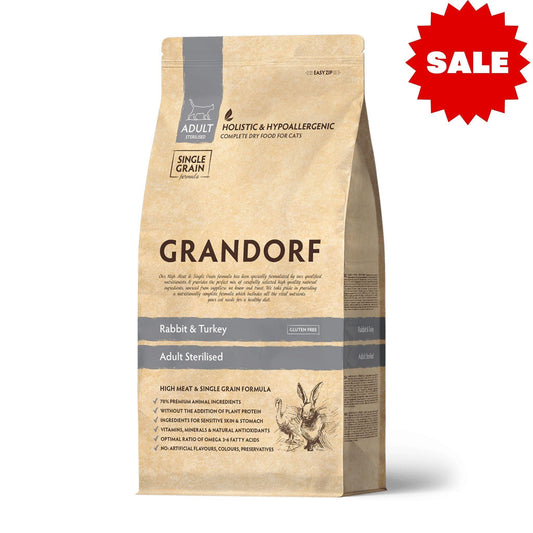
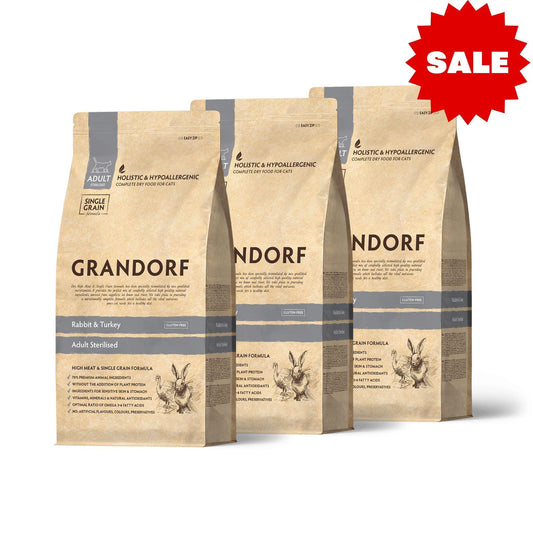
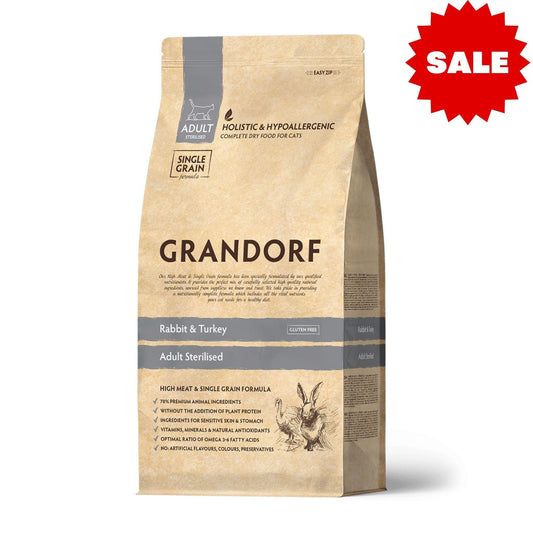
Grandorf Food for Neutered Cats
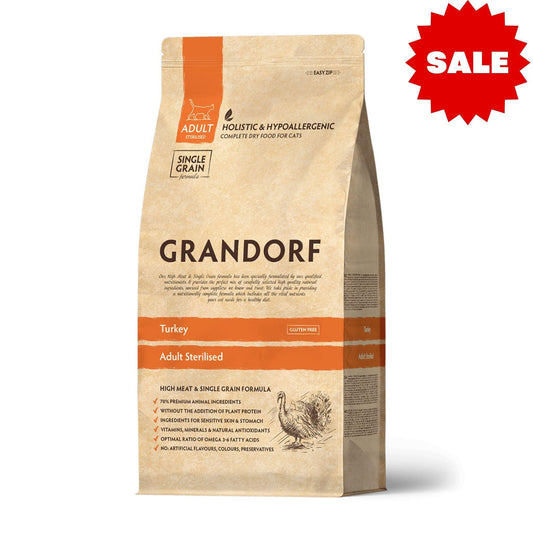
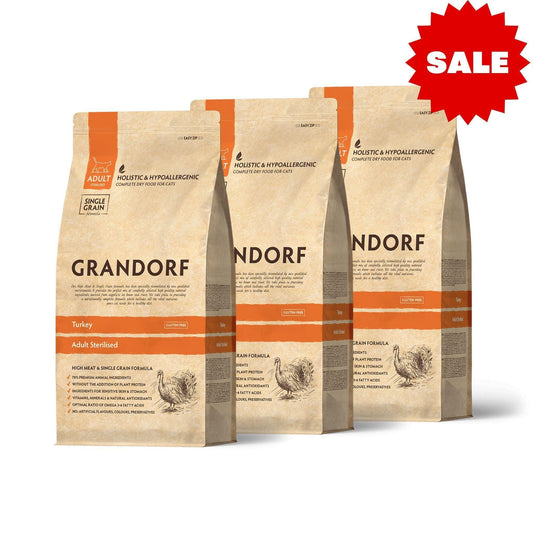
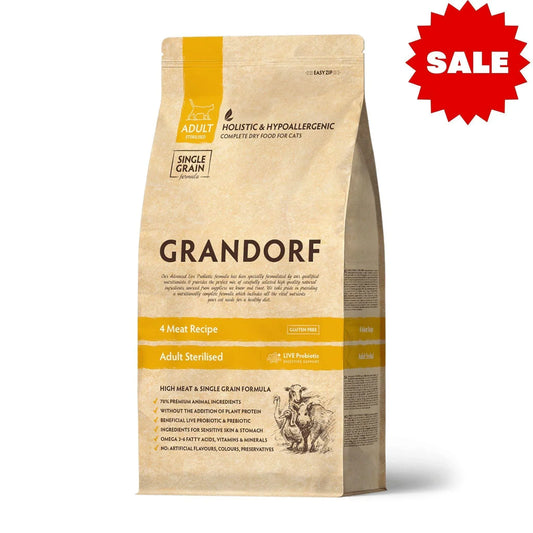
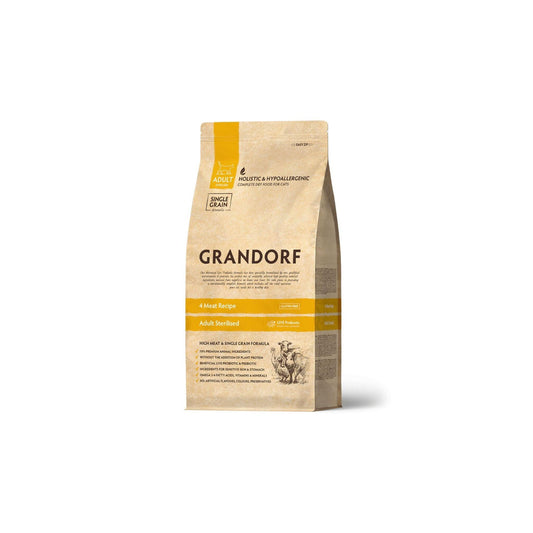
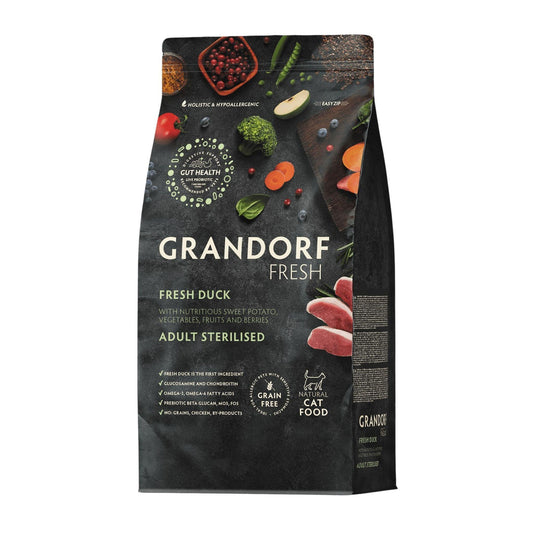
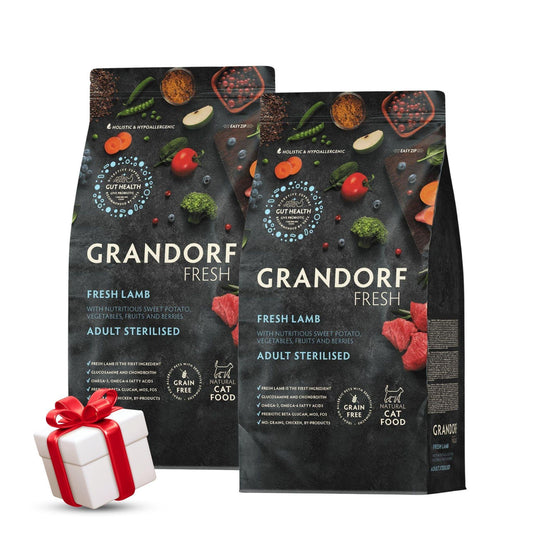
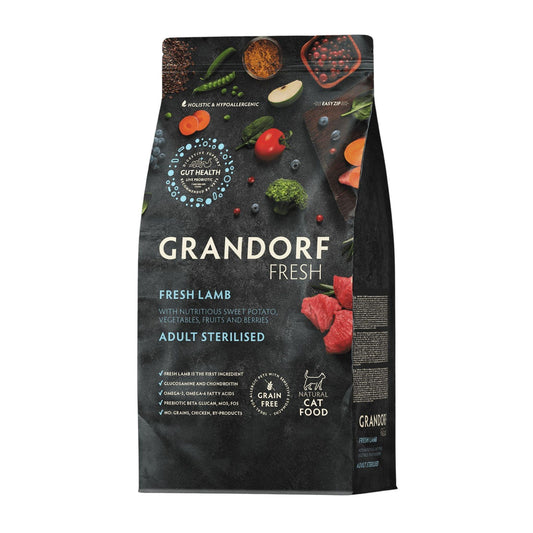
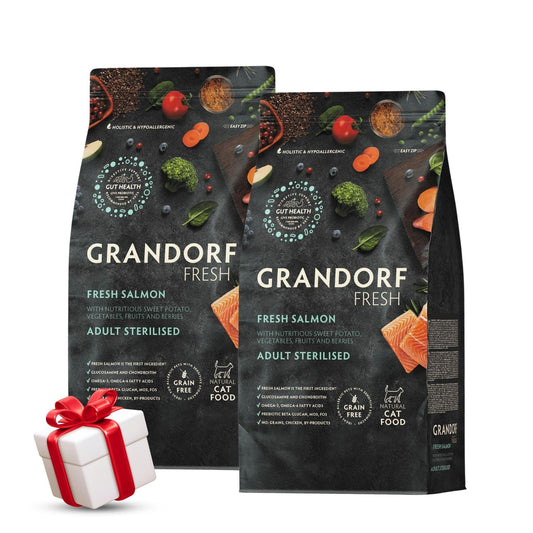
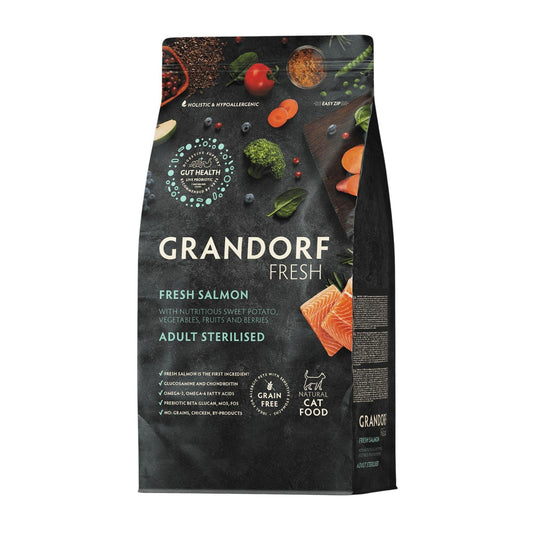
Grandorf offers high-quality cat food with an emphasis on premium ingredients, animal protein, and a balanced diet. For neutered cats, the great advantage of high-quality food like Grandorf is the support for the coat, digestion, and better satiety, especially for sensitive or picky cats.
Grandorf may be suitable for cats suffering from shedding, dry coat, strong litter box odor, or sensitivity to simpler food. The brand’s formulas focus on ingredient quality and cleaner nutrition, making them a good choice for cat owners looking for premium food for a neutered cat.
Royal Canin Food for Neutered Cats
Royal Canin is one of the world's most recognizable brands in cat food, and it has dedicated formulas for neutered cats. The advantage of Royal Canin is that the food is divided according to age, physical condition, and nutritional needs, making it relatively easy to choose a formula suitable for a cat after neutering.
The food is especially suitable for cat owners looking for a well-known, clear, and accessible brand with solutions for neutered cats, indoor cats, and cats with a tendency for weight gain.
Happy Cat Food for Neutered Cats
Happy Cat is a German brand that offers a variety of formulas for cats with different needs, including neutered cats, indoor cats, and sensitive cats. The food is suitable for cat owners looking for a combination of quality, palatability, and variety in flavors.
Happy Cat’s formulas can be suitable for cats that need balanced food for their daily routine, especially if they are picky or if you want to rotate between different protein sources.
When is Medical Food Needed for a Neutered Cat?
Not every neutered cat needs medical food. Medical food is generally suitable for specific situations such as urinary tract issues, kidney diseases, significant weight excess, or serious digestive problems. In such cases, it is not recommended to choose on your own; consult a veterinarian instead.
If your cat is healthy, eats well, is at a normal weight, and their stools are normal, it is usually enough to choose high-quality food adapted for neutered cats. If there is an existing medical condition, it is worth looking into appropriate veterinary food.
Common Mistakes When Choosing Food for a Neutered Cat
One common mistake is to continue with the same food as before the neutering without checking if it is still suitable. Even if the cat liked the previous food, it may no longer be suitable for their new activity level and needs.
Another mistake is choosing food only based on price. Food that is too cheap may contain less quality ingredients, result in shorter satiety, stronger odor in the litter box, and sometimes also shedding or digestive problems.
Yet another mistake is giving too many treats. Even if the food itself is high quality, large quantities of treats can add many calories and lead to weight gain. For neutered cats, it is important to maintain a balance.
How to Maintain a Healthy Weight in a Neutered Cat?
Switching to suitable food is only part of the solution. It is also important to ensure correct feeding amounts according to the weight and the recommendation on the packaging. Additionally, you should encourage the cat to move more through play, scratching posts, interactive toys, and spreading the food into several small meals throughout the day.
A neutered cat doesn't have to gain weight. With the right food, correct portions, and daily activity, you can maintain a healthy body, a beautiful coat, and good energy over time.
So, Which Food is Most Suitable for a Neutered Cat?
There is no single answer that fits every cat. A young cat, an older cat, a picky cat, a sensitive cat, and a cat with a tendency to obesity – each of them needs a slightly different approach. The right choice depends on the age, weight, activity level, health status, food sensitivity, and the cat's taste preferences.
If you are looking for food for a neutered cat, it is recommended to choose high-quality food explicitly adapted for neutered cats, with high-quality ingredients, good protein, caloric balance, and urinary tract support.
At PetFastGo, you can find a variety of foods for neutered cats, including leading brands like Grandorf, Royal Canin, Happy Cat, and Hill’s, alongside advice that will help you choose the most suitable food for your cat.
If your cat suffers from shedding, weight gain, strong odor from the litter box, lack of appetite, or digestive sensitivity – it may be time to switch to food that better suits their needs.